Preparing Your Yard for Fence Installation in New Berlin, WI
A successful fence installation starts long before the first post goes into the ground. Learn how to prepare your yard, confirm property boundaries, plan drainage, protect landscaping, and organize access so your New Berlin, WI, fencing project gets off to the right start.
Installing a new fence can improve privacy, define your property, and make your outdoor space more functional. However, even a well-designed fence can run into problems if the yard is not properly prepared before construction begins.
For homeowners in New Berlin, WI, preparation is especially important when a property has established landscaping, uneven ground, drainage concerns, or an existing fence that needs to be removed. Taking care of these details early can help prevent installation delays, unnecessary expenses, and avoidable damage to your yard.
Whether you are planning a backyard privacy fence, a pet enclosure, or a decorative boundary, here are the steps to consider before installation begins.
1. Confirm Your Property Boundaries
One of the most important steps in fence planning is determining exactly where your property ends.
It may seem straightforward to follow an existing fence, hedge, or driveway, but these features do not necessarily mark the legal property line. Installing a new fence in the wrong location can create disagreements with neighbors and may require costly changes later.
Start by reviewing your property survey, if one is available. A survey can help identify boundary lines, easements, and other features that may affect where the fence can be installed.
If the boundaries are unclear, consider obtaining professional surveying assistance before construction begins.
It is also a good idea to discuss a proposed shared boundary fence with your neighbor when appropriate. Clear communication can help avoid misunderstandings about placement, appearance, and maintenance.
New Berlin has specific rules concerning fence placement. The city's current guidance distinguishes between different fence materials and locations, including restrictions involving property lines and public easements. Review the requirements that apply to your proposed installation before deciding on the final layout.
2. Check Local Fence Regulations Before Buying Materials
Choosing fence panels before checking local requirements can lead to problems if the selected design does not comply with the rules for your property.
New Berlin's fence regulations address height, placement, construction, and maintenance. For example, residential front-yard fences have different height restrictions from side-yard and rear-yard fences. Certain installations also require additional review or approval.
The rules can affect whether you can use a particular design, where it can be placed, and how tall it can be.
Before purchasing materials, confirm:
- The permitted fence height for your proposed location.
- Whether the selected material can be installed on the property line.
- Whether the fence would interfere with a public easement.
- Whether a permit or additional approval is required.
- How the fence must be constructed and maintained.
You can review the city's official fence requirements before finalizing your plans.
Checking these details early can help you choose a suitable fence the first time rather than paying for materials that cannot be used as intended.
3. Inspect the Ground and Plan for Drainage
The condition of your yard plays a major role in how well a fence performs after installation.
Before construction, look for low areas where water collects, sections that remain muddy after rain, and locations where runoff travels across the property. These conditions can affect post installation and the long-term stability of the fence.
Drainage is particularly important when a fence runs along a property boundary or near a slope. A poorly planned installation may interfere with the existing flow of water, potentially creating standing water or erosion.
New Berlin's fence requirements specify that fences must not block or affect existing drainage patterns. Any proposed grade changes must also follow the applicable city requirements.
If you have persistent drainage problems, address them during the planning stage rather than assuming the fence installation will solve them.
A professional assessment may help determine how to position posts and panels while maintaining the property's existing drainage.
4. Prepare Landscaping Around the Proposed Fence Line
Trees, shrubs, flower beds, and other landscaping features can affect where and how a fence is installed.
Walk the planned fence line and identify plants or structures that could obstruct construction. Depending on the layout, you may need to relocate smaller plants, trim back vegetation, or adjust the fence route.
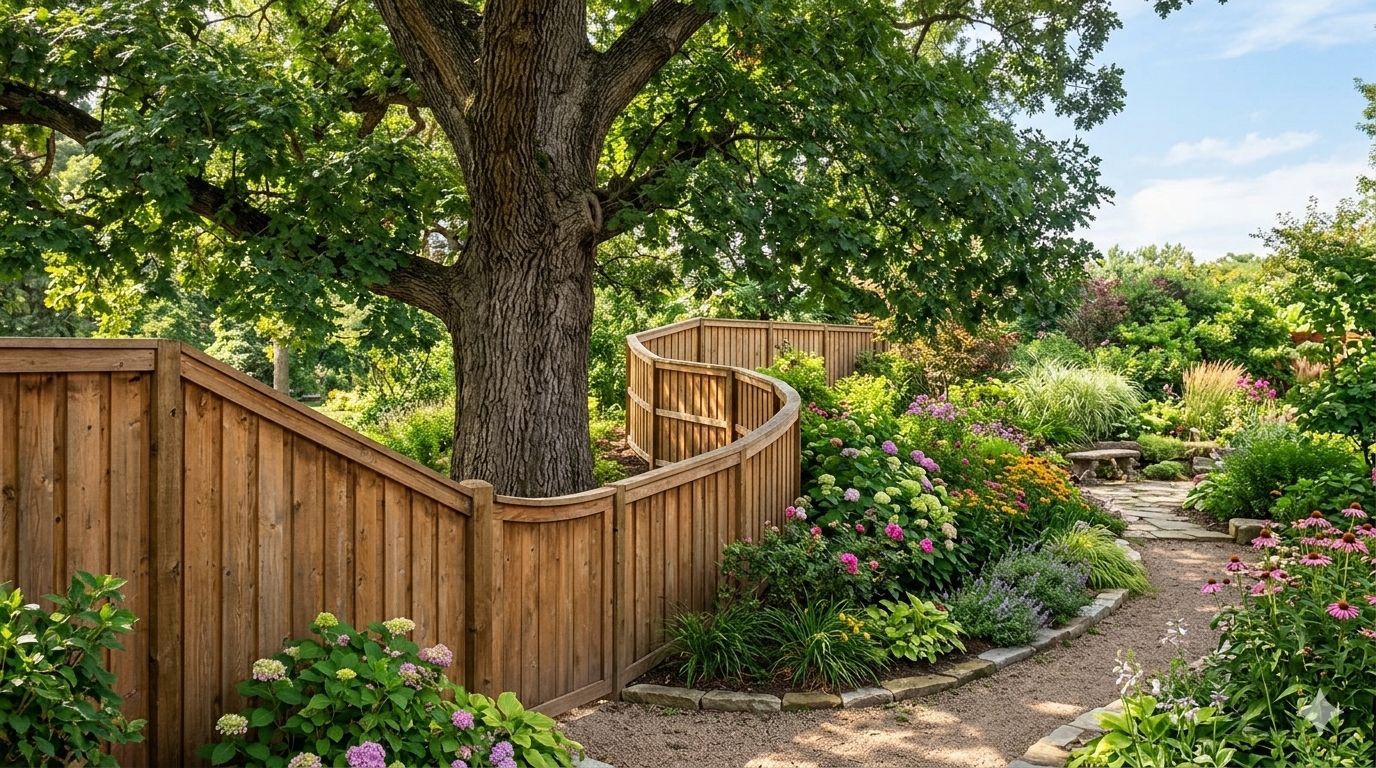
Pay particular attention to established trees. Their roots can complicate post-hole excavation, and cutting large roots may harm the tree or affect its stability. Avoid removing significant roots without understanding the potential consequences.
Consider future plant growth as well. A shrub that fits comfortably beside a new fence today may become crowded as it matures.
If you want greenery along the fence, plan enough room for pruning, cleaning, and access to the fence for future repairs.
Thoughtful landscaping preparation can help protect existing plants while producing a cleaner finished appearance.
5. Decide Whether the Existing Fence Needs to Be Removed
If your project involves replacing an old fence, determine how the existing structure will be handled before installation starts.
Some fences can be dismantled and removed relatively easily, while others may have damaged posts, large concrete footings, or sections that are difficult to access.
Ask whether your project estimate includes:
- Removing existing panels and posts.
- Extracting or addressing old concrete footings.
- Hauling away and disposing of discarded materials.
- Preparing the ground after removal.
- Repairing disturbed landscaping where necessary.
These details can affect both the total cost and the installation schedule.
You should also check whether the existing fence sits on the intended boundary line. A replacement project is an opportunity to correct an inaccurate layout rather than automatically repeating it.
6. Choose a Fence Style That Fits Your Yard
Once you understand the property's boundaries and site conditions, you can select a fence that meets your practical needs.
Privacy Fencing
Solid wood, vinyl, or suitable composite panels can help create a more secluded backyard. Before choosing a tall privacy fence, confirm that the proposed height and location are permitted.
Consider where privacy matters most, such as around a patio, pool area, or outdoor seating space. You may not need the same style around every side of the property.
Open Decorative Fencing
Picket and ornamental metal fences can define property boundaries without blocking views across the yard.
These styles may be appropriate for front-facing areas, landscaped gardens, or locations where maintaining an open appearance is important.
Pet-Friendly Fencing
If the fence is intended to contain pets, plan around their size and behavior. Height, spacing between components, gate security, and gaps near the ground all deserve attention.
Uneven terrain can create openings beneath the fence, so consider how the design will follow the slope while maintaining appropriate ground clearance.
Fencing for Uneven Ground
Sloping yards may require stepped panels or sections that follow the ground more closely. The best approach depends on the severity of the slope, the material, and the desired appearance.
Plan these transitions before ordering panels so that the finished fence does not have unexpected gaps or awkward changes in height.
7. Make Sure Installation Access Is Available
Fence installation requires space for materials, tools, workers, and excavation equipment.
Before the scheduled start date, identify possible access points and discuss any restrictions with your installer. Narrow side yards, locked gates, outdoor furniture, garden structures, and parked vehicles can make the work more difficult.
Move portable items away from the planned fence line and protect anything that needs to remain in place.
If access requires passing through a neighbor's property, arrange permission beforehand rather than assuming it will be available on installation day.
You should also identify underground utility lines before digging. Contact the appropriate utility-locating service and follow the required procedures before excavation begins. Do not rely on visible utility equipment or assumptions about where buried lines are located.
Good access planning can help the crew work more efficiently and reduce the risk of damage to nearby property.
8. Prepare for Wisconsin's Seasonal Conditions
New Berlin's changing weather makes it important to consider the timing and method of fence installation.
Wet ground can complicate excavation and leave the yard vulnerable to ruts or disturbed landscaping. Frozen ground can make digging more difficult, while heavy rain may affect site conditions and scheduling.
Discuss the expected installation window with your contractor and ask how weather-related delays will be handled.
Material selection matters as well. Wood, vinyl, composite, and metal fencing have different installation and maintenance requirements. Choose products suited to outdoor exposure and make sure they are installed according to the manufacturer's specifications.
Once the fence is complete, keep an eye on posts, panels, gates, and drainage after major seasonal changes. Addressing early signs of movement or damage can help prevent larger repairs.
9. Establish a Clear Installation Budget
Preparing the site also means understanding which parts of the project affect your budget.
The fence material is only one expense. The final price may also depend on the total length, height, number of gates, ground conditions, removal of an old fence, and any required site preparation.
Ask for an itemized estimate that identifies what is included and what could create additional charges.
If the yard has difficult access, significant slopes, drainage concerns, or substantial landscaping, discuss these conditions before accepting the estimate. Surprises discovered after construction begins can affect both cost and timing.
It is also helpful to finalize the fence layout before materials are ordered. Changing the route or gate locations during installation can create unnecessary work and material waste.
A Better Fence Installation Starts With Good Preparation
Preparing your yard before installing a fence helps protect your landscaping, reduce delays, and create a more dependable finished result. Confirming property boundaries, reviewing New Berlin's requirements, checking drainage, and planning access are all important steps before construction begins.
Once these details are settled, selecting the material, style, and layout becomes much easier.
New Berlin Fence can help you explore fencing options that suit your property's layout, privacy needs, and design preferences. Taking the time to prepare properly can make your fencing project more organized and help you avoid preventable problems along the way.